

Adult Autism Assessment >>
Learn what a comprehensive adult autism assessment involves, including the clinical interview, developmental history, standardized assessment tools, diagnostic formulation, feedback, and recommendations.

Signs of Autism in Adults >>
Explore common patterns associated with autism in adulthood, including differences in social communication, sensory processing, routines, focused interests, repetitive behaviours, masking, overwhelm, and burnout.
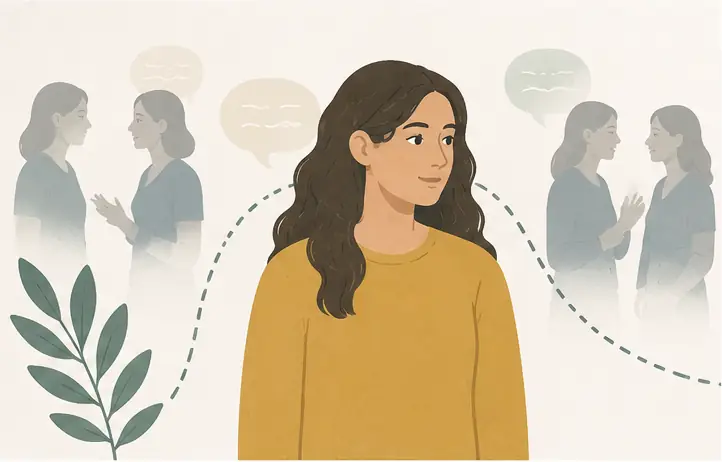
Autism in Women >>
Autism can sometimes present differently from traditional stereotypes, particularly among women and adults who have become skilled at masking or compensating for social difficulties.
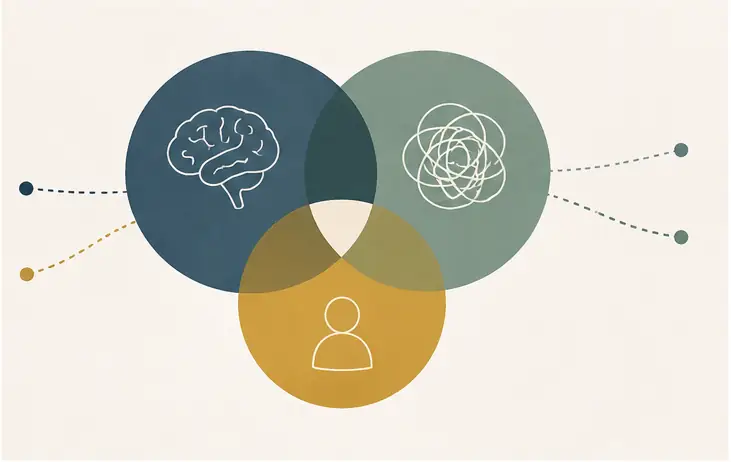
Autism, ADHD, Anxiety and Other Conditions >>
Autistic characteristics can overlap with ADHD, anxiety, OCD, trauma, depression, personality, and other psychological or developmental factors. Good assessment considers these possibilities